Why Fertilizer Regulations Matter in Canadian Agriculture
Based in Southwestern Ontario, LaSalle Agri develops sustainable fertilizers like AgroBoost, derived from wastewater treatment. While innovative in design, products like these operate within a tightly regulated system that exists to protect human health, safeguard the environment, and give farmers confidence in what they apply to their fields.
Why Regulations Exist
Fertilizer regulations in Canada are designed to ensure safety, transparency, and consistency. They establish clear standards for production, handling, and application so farmers, producers, and consumers all know exactly what is in a fertilizer and how it should be used.
Although these rules may appear complex, they are essential in agriculture where biological and environmental variables are constantly in play. Regulations give structure to that complexity, ensuring fertilizers contribute to crop productivity without compromising soil, water, or community health.
How Wastewater Derived Fertilizers Are Governed
For fertilizers like AgroBoost, derived from wastewater facilities, compliance is mandatory before the product ever reaches farmland. Canadian standards are science based and focus on key safeguards:
-
Pathogen control – strict limits on E. coli and other microbial risks
-
Nutrient content – ensuring accuracy in declared values
-
Environmental safety – minimizing runoff or long term soil impacts
-
Application timing – rules to prevent misuse or overapplication
One of the strengths of Canada’s system is its national uniformity. Unlike in the United States, where state by state variation creates patchwork rules, Canadian farmers and producers work under one consistent framework.
AgroBoost: Certified, Not Waste
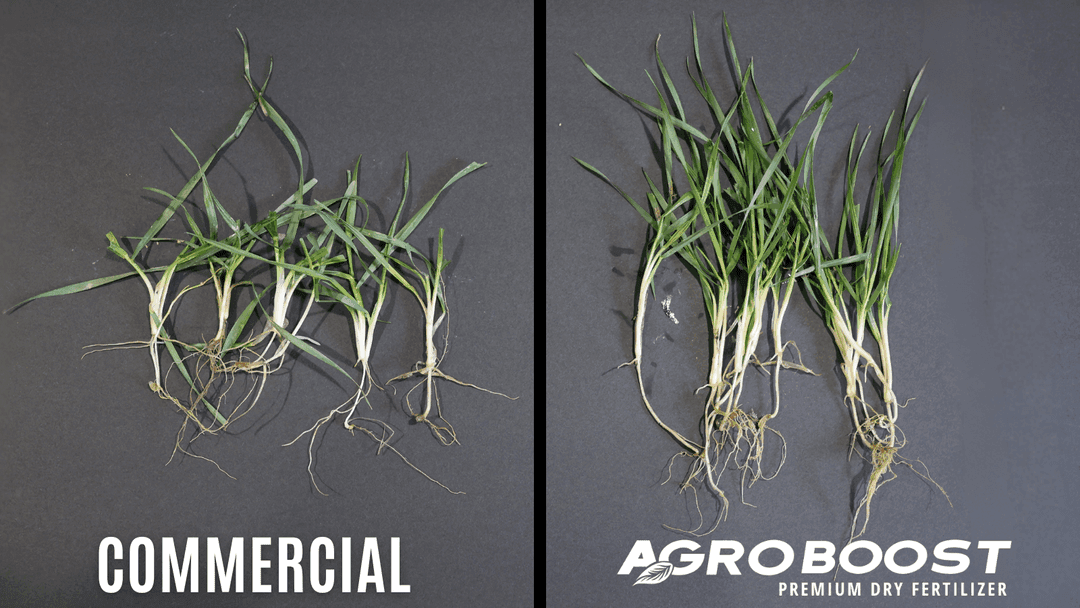
Though AgroBoost originates from wastewater processing, it is not classified as waste. Instead, it is officially certified as a fertilizer. This distinction matters: it signals that AgroBoost meets government standards for safety and effectiveness, giving farmers confidence that they are using a legitimate, high value product.
Regulatory oversight ensures AgroBoost is applied responsibly, turning a byproduct of urban infrastructure into a resource that supports soil health and crop yields.
Collaboration with Regulators
To maintain this standard, LaSalle Agri collaborates with agencies such as:
-
The Ontario Ministry of Agriculture, Food and Rural Affairs (OMAFRA)
-
The Ministry of the Environment, Conservation and Parks
-
The Canadian Food Inspection Agency (CFIA)
-
Other provincial and federal regulators
This collaboration ensures AgroBoost follows best management practices (BMPs), from production to application. Because of its nutrient value, the product is used efficiently and rarely wasted, helping both farms and the environment.
The Bigger Picture
Canada’s fertilizer regulations are not barriers; they are frameworks for safety, sustainability, and trust. For farmers using AgroBoost, following these standards means more than compliance. It is a commitment to long term soil health, sustainable farming, and responsible stewardship of the environment.
What begins as wastewater ends as certified fertilizer, and the regulations in place ensure that transformation benefits both agriculture and the communities it supports.